

In our fast-paced lives, it’s easy to overlook the quality of the air we breathe within our own homes. However, the air inside our living spaces can have a significant impact on our health and well-being. As we spend more time indoors, it’s crucial to prioritize essential home air quality tips to create a healthier living environment for ourselves and our loved ones.
Did you know that indoor air can be up to five times more polluted than outdoor air? This alarming fact highlights the importance of taking proactive steps to improve indoor air quality. In the UK, where many of us spend a considerable amount of time indoors due to the weather, addressing air quality concerns becomes even more pressing.
Throughout this blog post, we’ll explore a range of ventilation solutions, strategies to combat indoor air pollutants, and practical tips to enhance the air you breathe at home. From investing in home air purifiers to implementing simple lifestyle changes, we’ll guide you through the process of creating a fresher, cleaner, and healthier living space.
Whether you’re looking to reduce allergens, control humidity, or simply enjoy the benefits of fresh air, we’ve got you covered. We’ll discuss the role of air quality monitoring, share ideas for natural air fresheners, and delve into the impact of VOCs and other pollutants commonly found in UK homes.
Join us on this journey as we explore the world of indoor air quality and discover how small changes can make a big difference in your home. By the end of this blog post, you’ll be equipped with the knowledge and tools necessary to breathe easier, live healthier, and create a more eco-friendly living environment for you and your family.
So, let’s dive in and uncover the secrets to achieving optimal air quality in your UK home. Your lungs (and your loved ones) will thank you!
Key Takeaways
- Regularly replace your air filters to ensure optimal air circulation and reduce the accumulation of pollutants in your home.
- Maintain proper ventilation by opening windows and using exhaust fans to remove stale air and bring in fresh air from outside.
- Use an air purifier with a high-efficiency particulate air (HEPA) filter to capture airborne particles, allergens, and pollutants.
- Keep your home clean by vacuuming carpets, dusting surfaces, and washing bedding regularly to minimize dust and allergen buildup.
- Control humidity levels using a dehumidifier or humidifier to prevent the growth of mold, mildew, and dust mites.
- Avoid using harsh chemicals and opt for natural, eco-friendly cleaning products to reduce the presence of volatile organic compounds (VOCs) in your home.
- Incorporate air-purifying plants, such as spider plants, peace lilies, and snake plants, to naturally filter the air and add a touch of greenery to your living space.
The Importance of Indoor Air Quality for Health and Well-Being
In our modern era, we spend a significant portion of our lives indoors, whether at home, work, or school. As such, the quality of the air we breathe in these environments plays a crucial role in our overall health and well-being. Poor indoor air quality can lead to a range of health issues, from minor discomforts like headaches and fatigue to more severe problems such as respiratory illnesses, allergies, and even cancer.
Some of the potential health risks associated with poor indoor air quality include:
- Respiratory problems, such as asthma and bronchitis
- Allergic reactions and sensitization to allergens
- Irritation of the eyes, nose, and throat
- Headaches and dizziness
- Fatigue and difficulty concentrating
- Long-term exposure to certain pollutants may even increase the risk of certain cancers
In light of these risks, it is essential that we prioritize creating a healthier living environment by improving the air quality in our homes. By taking proactive steps to identify and address sources of indoor air pollution, we can significantly reduce our exposure to harmful substances and minimize the risk of developing health problems.
Moreover, maintaining good indoor air quality can also contribute to our overall sense of comfort and well-being. Fresh, clean air can help us feel more alert, energized, and focused, while stuffy, polluted air can leave us feeling sluggish and unwell. By investing in our indoor air quality, we are not only protecting our physical health but also promoting our mental and emotional well-being.
Identifying Common Indoor Air Pollutants
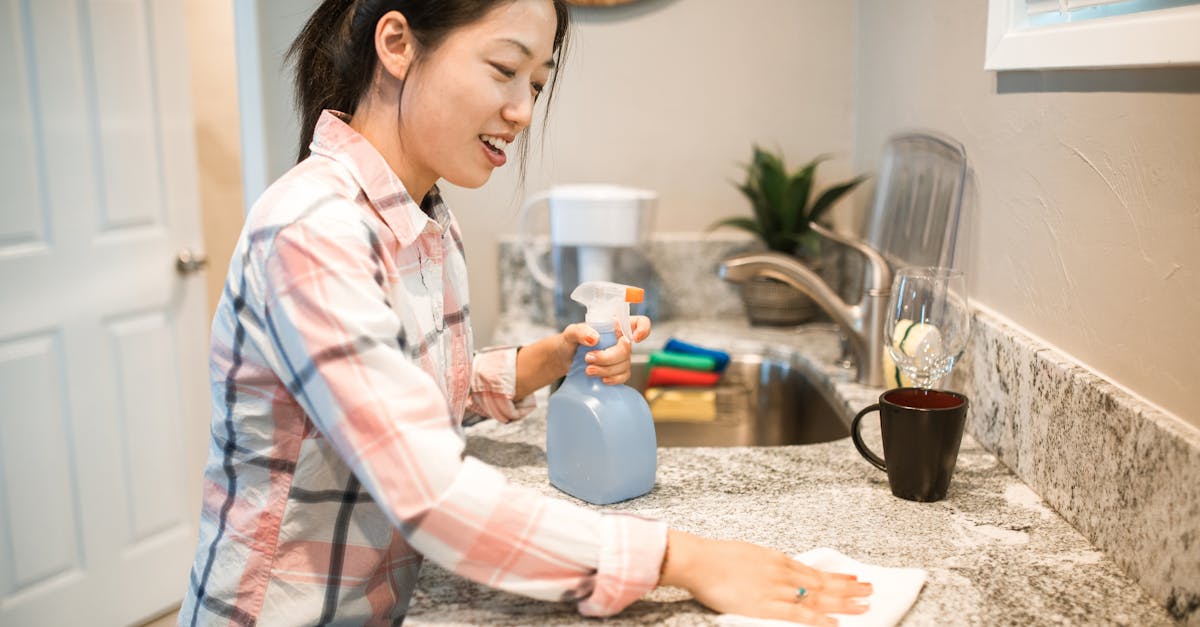
In our quest for a healthier living environment, it’s crucial to identify the common indoor air pollutants that can compromise the air quality in our homes. One of the most prevalent culprits is Volatile Organic Compounds (VOCs), which are often found in cleaning products, furniture, and building materials. These VOCs can emit harmful gases that we inadvertently inhale, potentially leading to health issues such as respiratory problems and allergic reactions.
Another group of indoor air pollutants that we need to be aware of are allergens. These include:
- Dust mites
- Pet dander
- Mold spores
Dust mites thrive in warm, humid environments and feed on the dead skin cells that we shed daily. Pet dander, consisting of tiny flakes of skin from our furry companions, can trigger allergies and asthma symptoms in sensitive individuals. Mold spores, on the other hand, flourish in damp areas of our homes and can release harmful toxins into the air we breathe.
In addition to VOCs and allergens, we must also be vigilant about the presence of gases such as carbon monoxide and radon in our homes. Carbon monoxide, often referred to as the “silent killer,” is an odorless and colorless gas that can be emitted from faulty fuel-burning appliances, such as furnaces or gas stoves. Radon, a radioactive gas that naturally occurs in soil and rocks, can seep into our homes through foundation cracks and accumulate to dangerous levels if left unchecked.
By understanding and identifying these common indoor air pollutants, we can take proactive steps to minimize their presence and create a healthier living environment for ourselves and our loved ones.
Ventilation and Air Circulation Strategies
Proper ventilation is crucial in maintaining a healthy living environment by reducing indoor air pollutants. By allowing fresh air to circulate throughout our homes, we can significantly improve the quality of the air we breathe. One of the simplest and most effective ways to enhance air circulation is by opening windows regularly, especially during mild weather. This allows stale, polluted air to escape while bringing in fresh, outdoor air.
In addition to opening windows, using fans can help improve air circulation within our homes. Ceiling fans, in particular, are excellent at distributing air evenly throughout a room. They can also help regulate temperature, making our living spaces more comfortable. Portable fans, such as box fans or tower fans, can be strategically placed to promote cross-ventilation, drawing fresh air in from one window and exhausting stale air out through another.
Air purifiers and HVAC (Heating, Ventilation, and Air Conditioning) systems also play a vital role in maintaining healthy indoor air quality. Air purifiers work by filtering out airborne pollutants, such as dust, pollen, pet dander, and volatile organic compounds (VOCs). When choosing an air purifier, it’s essential to select one with a high-efficiency particulate air (HEPA) filter, as these are designed to capture even the smallest particles.
Regular maintenance of our HVAC systems is equally important. This includes replacing filters as recommended by the manufacturer, typically every 1-3 months, depending on usage and household conditions. A well-maintained HVAC system not only improves air quality but also ensures efficient operation, saving energy and money in the long run.
By implementing these ventilation and air circulation strategies, we can create a healthier living environment for ourselves and our loved ones. Remember, the air we breathe plays a significant role in our overall well-being, so it’s crucial to prioritize indoor air quality in our homes.
Minimizing Allergens and Dust in the Home
To create a healthier living environment, it’s crucial that we take steps to minimize allergens and dust in our homes. One of the most effective ways to reduce these irritants is through regular cleaning and vacuuming. When choosing a vacuum cleaner, opt for one with a high-efficiency particulate air (HEPA) filter, as these filters are designed to trap even the smallest particles of dust and allergens, ensuring cleaner air quality in our homes.
Another important step in minimizing allergens is to wash our bedding and curtains in hot water regularly. Dust mites, which are tiny creatures that thrive in warm, humid environments, are a common allergen found in many UK homes. By washing our bedding and curtains in hot water (at least 60°C), we can effectively eliminate these dust mites and reduce their population in our living spaces.
For those of us with pets, it’s essential to keep them well-groomed and to limit their access to certain areas of the home. Pet dander, which consists of tiny flakes of skin shed by animals, can be a significant source of allergens. Regular brushing and bathing of our furry friends can help reduce the amount of dander they produce. Additionally, consider creating “pet-free” zones in the home, such as bedrooms, to further minimize the spread of allergens.
By implementing these simple yet effective strategies, we can significantly improve the air quality in our homes and create a healthier living environment for ourselves and our loved ones.
Choosing Low-VOC and Eco-Friendly Products
When it comes to maintaining a healthy home environment, the products we use can have a significant impact on our indoor air quality. Many conventional cleaning products, paints, and furniture materials contain volatile organic compounds (VOCs) that can off-gas into the air, contributing to poor air quality and potential health issues. To minimize these risks, we should opt for low-VOC and eco-friendly alternatives whenever possible.
One simple way to reduce VOCs in our homes is by choosing natural cleaning products or making our own using ingredients like vinegar and baking soda. These non-toxic alternatives can effectively clean surfaces without releasing harmful chemicals into the air. When shopping for cleaning supplies, look for products labeled as “low-VOC” or “zero-VOC” to ensure a healthier choice for our living spaces.
In addition to cleaning products, we should also be mindful of the paints, furniture, and flooring materials we bring into our homes. Selecting low-VOC paints can greatly reduce the amount of off-gassing that occurs during and after application. Similarly, opting for furniture and flooring made from natural, sustainable materials like solid wood, bamboo, or organic fabrics can help minimize the presence of VOCs in our indoor environment.
Another eco-friendly way to enhance indoor air quality is by incorporating air-purifying plants into our home decor. Certain plants, such as spider plants, peace lilies, and snake plants, have been shown to naturally filter toxins from the air. By strategically placing these plants throughout our living spaces, we can create a more inviting atmosphere while simultaneously improving the air we breathe.
Monitoring and Maintaining Healthy Humidity Levels
Humidity plays a crucial role in maintaining a healthy living environment. When indoor humidity levels are too high, it can lead to the growth of mold, mildew, and dust mites, which can trigger allergies and respiratory issues. On the other hand, when humidity levels are too low, it can cause dry skin, irritated sinuses, and even damage to wooden furniture. To ensure optimal indoor air quality, it’s essential to monitor and maintain healthy humidity levels in our homes.
The ideal humidity range for a healthy home environment is between 30% and 50%. To achieve this, we can use various tools and techniques:
- Invest in a hygrometer to measure indoor humidity levels accurately
- Use a dehumidifier in damp areas like basements or bathrooms to reduce excess moisture
- Employ a humidifier in dry rooms to add moisture to the air, especially during winter months when heating systems can dry out the air
- Ensure proper ventilation in high-moisture areas like kitchens and laundry rooms by using exhaust fans or opening windows
By monitoring humidity levels regularly and taking steps to maintain them within the ideal range, we can create a healthier living environment for ourselves and our families. Proper humidity control not only improves air quality but also enhances our overall comfort and well-being.
Tips for Maintaining Healthy Humidity Levels:
- Fix leaks and address any water damage promptly to prevent mold growth
- Use moisture-absorbing materials like silica gel in damp closets or storage areas
- Avoid overwatering indoor plants, as they can contribute to excess humidity
- Regularly clean and maintain humidifiers and dehumidifiers to ensure they function effectively
Conclusion
Maintaining a healthy living environment is crucial for our overall well-being, and improving indoor air quality is a significant part of that process. By identifying common air pollutants, implementing effective ventilation strategies, minimizing allergens and dust, choosing eco-friendly products, and monitoring humidity levels, we can create a healthier home atmosphere for ourselves and our loved ones. Remember, small changes in our daily habits and home maintenance routines can make a substantial difference in the quality of the air we breathe. As we strive to create a more comfortable and healthier living space, let us prioritize indoor air quality and take proactive steps to ensure our homes are safe havens that promote our physical and mental well-being. By adopting these essential home air quality tips, we can breathe easier, live better, and enjoy a more vibrant and healthier lifestyle in the comfort of our own homes.