

Embracing the Slow Living Lifestyle: Your Guide to Creating a Mindful Home Sanctuary
Welcome to your journey towards a more intentional life. The hustle and bustle of modern living can often feel overwhelming, calling for a shift towards a slower pace. Here, we delve into the concept of slow living at home, transforming your space into a peaceful sanctuary for mindfulness.
Imagine waking up in a cozy space, starting your day with mindful mornings, indulging in self-care rituals, and spending quality family bonding time. This is not just a dream; it’s a lifestyle you can embrace.
The Magic of a Peaceful Sanctuary
Think of your home as more than just a physical structure. It’s a place of comfort, reflection, and growth. A minimalist living approach, coupled with nature-inspired decor, can turn your home sweet home into a serene retreat. Decluttering tips and sustainable living ideas will also play a crucial role in this transformation.
Delving into Slow Living
Slow living is all about slowing down and enjoying the simple pleasures of life. It’s about creating homemade comforts, nurturing home gardening projects, and practicing relaxation techniques. It’s about embracing wellness at home and cherishing every moment.
So, are you ready to embark on this journey? Are you ready to transform your home into a haven of peace and mindfulness? Let’s explore how to incorporate the principles of slow living into your daily routine and create a mindful, intentional home environment.

Key Takeaways
- Create a serene space: Your home environment should promote peace and tranquility. Declutter, simplify, and use calming colors to create a relaxing atmosphere.
- Mindful activities: Incorporate mindful activities like meditation, yoga, or even reading into your daily routine. These will help you remain present and focused.
- Unplug: Dedicate specific times to disconnect from digital devices. This will help you reconnect with yourself and the world around you.
- Nature connection: Bring nature into your home with indoor plants or spend time in your outdoor space. Nature has a way of instilling calmness and perspective.
- Slow down: Instead of rushing through tasks, take your time. Slowing down allows you to fully engage with what you’re doing and enjoy the process.
- Self-care: Prioritize self-care. Whether it’s taking a long bath, cooking a healthy meal, or simply enjoying a cup of tea, taking care of yourself is essential to slow living.
Understanding the Concept of Slow Living
Have you ever pondered on the idea of slowing down in a world that seems to be moving at lightning speed? This is where the concept of slow living comes into play. A lifestyle choice that promotes a more mindful, intentional way of life, allowing you to savour each moment as it unfolds.
Definition of Slow Living
Slow living can be defined as a lifestyle approach that encourages a slower pace of life, focusing on quality over quantity. It’s about taking a step back, simplifying, and making conscious choices. This lifestyle isn’t about doing everything at a snail’s pace; rather, it’s about seeking to do everything at the right speed and appreciating the present moment.
History and Origin of Slow Living
The concept of slow living originated from the slow food movement in Italy during the 1980s, as a rebellion against fast food culture. The Italians, renowned for their love of leisure and good food, championed this movement that valued tradition, sustainability, and the art of enjoyment. From this, the philosophy of slow living emerged, extending beyond food to encompass all aspects of life.
The Relevance of Slow Living in Today’s Fast-Paced World
In today’s fast-paced world, we often find ourselves caught up in a whirlwind of tasks and deadlines, constantly rushing from one thing to the next. Amidst the hustle and bustle, slow living offers a breath of fresh air, encouraging us to pause and appreciate the beauty of the present moment.
Slow living is not just an antidote to the speed of modern life; it’s a philosophy that offers numerous benefits. It helps reduce stress, improve mental health, and cultivate a deeper sense of appreciation for what we have. Additionally, it can strengthen relationships as you dedicate more quality time to your loved ones.
Furthermore, slow living encourages sustainable practices, contributing to environmental preservation. By making conscious choices and prioritising quality over quantity, you can reduce waste, conserve resources, and contribute positively to the health of our planet.
Embracing slow living at home is a step towards creating a peaceful sanctuary for mindfulness, allowing you to live more intentionally and enjoy each moment to the fullest. So why not give it a try? Slow down, take a deep breath, and savour the beauty of now.
“`
The Benefits of Embracing Slow Living at Home
As our lives become increasingly digital and fast-paced, the concept of slow living offers a refreshing alternative. Slow living encourages you to shift your focus from speed to quality, allowing you to savour each moment and live mindfully. By embracing slow living at home, you can reap a multitude of benefits that improve not only your well-being but also your relationships with family members.
Enhanced Mindfulness and Presence
Slow living is all about being present in the moment. It allows you to truly engage in whatever you’re doing, whether it’s cooking a meal, reading a book, or simply enjoying a cup of tea. This heightened mindfulness has been linked with improved mental health and increased happiness. As you become more aware of your surroundings and actions, you’ll find it easier to appreciate the simple pleasures life offers.
Reduced Stress and Anxiety
A fast-paced lifestyle often brings with it high levels of stress and anxiety. By slowing down, you give your mind and body the chance to relax and recuperate. Research shows that practicing slow living can significantly reduce stress and anxiety levels, leading to a calmer, more peaceful life.
Improved Quality of Life
Adopting the principles of slow living can greatly enhance your quality of life. It encourages you to focus on what really matters, such as spending quality time with loved ones or pursuing hobbies you’re passionate about. This can lead to a deeper sense of satisfaction and fulfillment, greatly improving your overall quality of life.
Improved Relationships with Family Members
Slow living promotes quality over quantity, even in relationships. By making the conscious decision to slow down, you are able to dedicate quality time to your family members. This not only strengthens bonds but also fosters an environment of understanding and mutual respect in the home.
Long-term Health Benefits
Studies have shown that the practice of slow living can lead to lasting health benefits. By reducing stress and promoting mindfulness, it aids in preventing a range of health issues including hypertension, heart disease, and even certain types of cancer. The emphasis on wholesome, homemade meals also contributes to better nutrition, further boosting your health in the long run.
Embracing the principles of slow living transforms your home into a sanctuary of peace and mindfulness. Whether you’re in bustling London or the tranquil Scottish Highlands, slowing down enables you to live a more meaningful and fulfilling life.
“`
Principles of Slow Living
Slow living is a concept that encourages us to step back from the hustle and bustle of modern life and take things at a more leisurely pace. It’s about being mindful, intentional, and appreciating the present moment. You might be wondering how to incorporate slow living into your daily routine? Here are some principles of slow living that can help you create a peaceful sanctuary for mindfulness at home.
Mindfulness and Intentionality
Mindfulness is the practice of focusing your attention on the present moment, acknowledging and accepting your feelings, thoughts, and bodily sensations. In the context of slow living, mindfulness means being fully engaged in what you’re doing, whether it’s cooking dinner, reading a book, or simply sitting quietly with your thoughts. Intentionality, on the other hand, is about making conscious choices about how you spend your time and energy.
Embracing Simplicity
Simplicity is another cornerstone of slow living. It’s about stripping away the unnecessary and focusing on what truly matters. This could mean decluttering your home, choosing to live with fewer possessions, or simplifying your schedule by prioritising activities that bring you joy and fulfilment.
Prioritising Quality Over Quantity
Slow living also encourages us to value quality over quantity. Rather than trying to cram as many tasks or experiences into our day as possible, we should focus on doing fewer things but doing them well. This can apply to everything from the food we eat to the clothes we wear to the relationships we nurture.
Sustainability and Ethical Consumption
As an extension of the principle of quality over quantity, slow living also promotes sustainability and ethical consumption. This means buying less but choosing items that are made to last, and supporting businesses that treat their workers fairly and respect the environment.
Appreciating the Present Moment
Finally, slow living is all about savouring the present moment. It’s about taking time to appreciate the beauty of the world around us, the warmth of a cup of tea in our hands, or the sound of birdsong outside our window. By slowing down and truly experiencing each moment, we can find joy and contentment in the simplest things.
Incorporating these principles of slow living into your daily routine may take some time and practice, but the rewards are worth it. By embracing mindfulness, simplicity, and sustainability, you can create a peaceful sanctuary for yourself at home where you can truly relax, unwind, and enjoy the simple pleasures of life.
“`
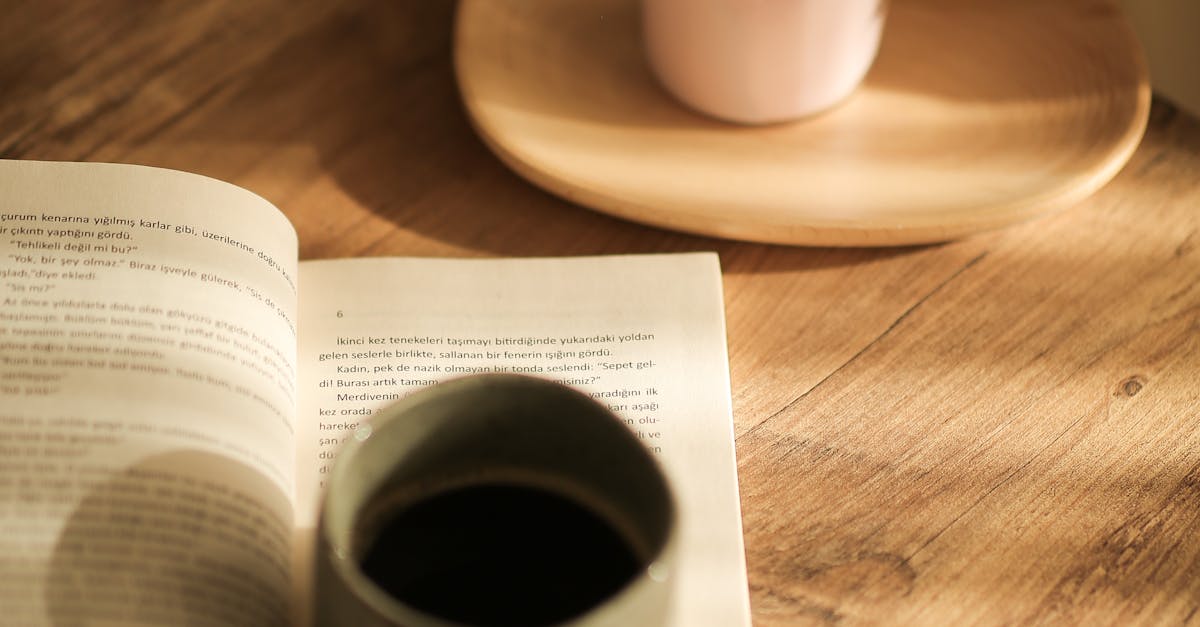
How to Create a Peaceful Sanctuary for Slow Living at Home
Life moves at a frenetic pace, and amidst the hustle and bustle, it’s essential to carve out a haven of tranquillity, a serene home environment that supports slow living. In this section, we will explore practical ways to transform your home into a peaceful sanctuary that fosters mindfulness and contentment.
Decluttering and Organising Your Space
The first step towards embracing slow living is decluttering and organising your space. A cluttered environment can lead to a cluttered mind, so it’s important to create a space that promotes peace and relaxation. Start by decluttering room by room, getting rid of items that you no longer need, and organising what remains in a thoughtful and intentional way. This process not only clears physical space but also creates mental space, allowing you to live more mindfully and enjoyably.
Creating a Serene and Calming Ambiance
When it comes to creating a calming atmosphere at home, consider the sensory aspects of your environment. Soft lighting, calming colours, and soothing sounds can all contribute to a peaceful ambiance. Consider incorporating candles, diffusers with essential oils like lavender or eucalyptus, and soft, comforting textures in your décor to create a truly serene space. These small changes can make a big difference in transforming your home into a peaceful sanctuary.
Incorporating Nature into Your Home
Bringing elements of nature into your home can have a profound impact on your sense of well-being. House plants not only purify the air but also bring a sense of calm and connection to the natural world. Natural materials such as wood and stone can also contribute to a peaceful and grounded atmosphere. Consider adding a small indoor water fountain or a fish tank to create a soothing soundscape reminiscent of a babbling brook.
Choosing Slow and Mindful Activities
Embrace the concept of slow living by choosing activities that encourage mindfulness and presence. This could be as simple as reading a book, meditating, or even engaging in a hobby like painting or knitting. These activities not only help you to slow down and enjoy the moment but also contribute to a peaceful and mindful atmosphere at home.
Fostering a Culture of Gratitude and Contentment at Home
A key aspect of slow living is fostering a culture of gratitude and contentment at home. Practising gratitude can help shift your focus from what you lack to what you have, promoting a sense of contentment. A simple way to practice this is by keeping a gratitude journal where you write down things you are thankful for each day. In doing so, you cultivate a positive mindset and create a home environment that supports slow living.
By incorporating these strategies, you can create a peaceful sanctuary that supports slow living and promotes mindfulness and contentity. Remember, slow living is not about doing nothing; it’s about doing everything with intention, focus, and appreciation.
“`
Challenges of Slow Living and How to Overcome Them
Embracing the concept of slow living in a fast-paced world is not without its challenges. However, with mindfulness and dedication, it’s entirely possible to create a peaceful sanctuary at home where slow living principles thrive. Let’s delve into some of these challenges and explore practical ways to overcome them.
Resistance from Family Members
One of the first hurdles you might face when adopting slow living is resistance from family members. They may not understand your new lifestyle choice or may be reluctant to change their own habits. Start by explaining the benefits of slowing down, such as reduced stress and improved wellbeing. Encourage them to participate in low-key activities like cooking a meal together or taking a walk in the park. Remember, everyone has their own pace, so patience and understanding are key.
Balancing Slow Living with Work and Other Commitments
Another challenge lies in balancing slow living with work and other commitments. Incorporating slow living principles into your daily routine doesn’t mean you have to abandon your responsibilities. Prioritise tasks, delegate when possible, and remember to take breaks. Use your commute as a time for reflection, or try to incorporate mindful moments into your workday. Slow living isn’t about doing less, but about being more present in what you’re doing.
Dealing with the Pressure to Keep Up with Societal Norms
Societal pressure to be constantly productive can be a significant obstacle to slow living. It’s important to remember that your worth is not defined by your productivity. Try to disconnect from digital distractions and societal expectations regularly. Seek out like-minded communities, both online and offline, for support and inspiration. Remember, slow living is about quality, not quantity.
Overcoming the Urge to Fill Every Moment with Activity
The urge to fill every moment with activity can be overpowering, especially when we’re used to a fast-paced lifestyle. Try to cultivate mindfulness and appreciate the beauty in simple moments. Whether it’s enjoying a cup of tea in silence or observing the changing seasons, these quiet moments are an integral part of slow living.
Staying Committed to Slow Living Principles Over Time
Staying committed to slow living principles over time can be challenging, especially when life gets busy. But remember, slow living is a journey, not a destination. It’s about making conscious choices that align with your values. Celebrate small victories, learn from setbacks, and keep moving forward. Your peaceful sanctuary awaits you.
“`
Real-Life Examples of Slow Living at Home
In today’s fast-paced world, you might find it surprising that many individuals and families in the United Kingdom are embracing a slower, more mindful lifestyle right in their homes. They have successfully adopted slow living, transforming their homes into peaceful sanctuaries for mindfulness. Let’s explore some real-life examples of slow living at home.
The Story of the Thompson Family
The Thompson family from Kent provides a striking example. Overwhelmed by the hustle and bustle of city life, they decided to make significant changes. They decluttered their home, creating open, tranquil spaces for relaxation and meditation. They also adopted habits like preparing meals from scratch and spending quality time together without distractions from electronic devices. This new way of life has improved their wellbeing drastically, with benefits including reduced stress levels and stronger family bonds.
James and His Minimalist Apartment
Another inspiring story is that of James, a London-based freelance writer. He transformed his one-bedroom apartment into a minimalist haven, following the slow living philosophy. By downsizing his possessions and focusing on what truly matters to him, James discovered the profound impact of slow living. His productivity soared, and he had more time to engage in activities he loves, such as reading and writing. This lifestyle shift also led to significant savings, as James no longer felt the need to constantly buy new things.
Lessons from Their Experiences
- Intentionality: Both the Thompson family and James showed that adopting slow living requires intentional changes. It’s about making conscious choices to live more mindfully and minimising unnecessary distractions.
- Flexibility: There’s no one-size-fits-all approach to slow living. What worked for the Thompson family might not work for you. It’s essential to tailor the slow living principles to match your circumstances and preferences.
- Patience: Transitioning to slow living isn’t an overnight process. It takes time to break away from old habits and create a home that truly serves as a peaceful sanctuary for mindfulness.
In conclusion, these real-life examples of slow living at home show that it’s possible to break free from the incessant rush of modern life. By making intentional changes, you too can transform your home into a place of peace and mindfulness, reaping the rewards of this lifestyle in the process.
“`
Conclusion
In summary, embracing Slow Living at Home can be an enriching and transformative experience. It’s a lifestyle rooted in mindfulness, serenity, and the conscious choice to slow down amidst the fast-paced world we live in. The merits of adopting this approach are numerous, ranging from improved mental well-being to more meaningful relationships and a deeper appreciation for life’s simple pleasures.
Implementing the principles of Slow Living in your home doesn’t have to be daunting. Whether it’s cultivating a serene and clutter-free environment, practicing mindful eating, or simply taking the time to breathe and be present – every little step counts. It’s about creating a peaceful sanctuary that nurtures tranquillity, introspection, and intentional living.
Of course, it’s not without its challenges. But with clear understanding, patience, and determination, you can navigate these hurdles and reap the rewards of a more balanced and fulfilling lifestyle. Remember, slow living isn’t about doing everything at a snail’s pace. It’s about making deliberate, thoughtful choices, and savoring each moment as it unfolds.
As we’ve seen in the real-life examples, Slow Living at Home is a journey unique to each individual. It’s your journey. Here’s to embracing a slower, more mindful way of life. Your peaceful sanctuary awaits you.